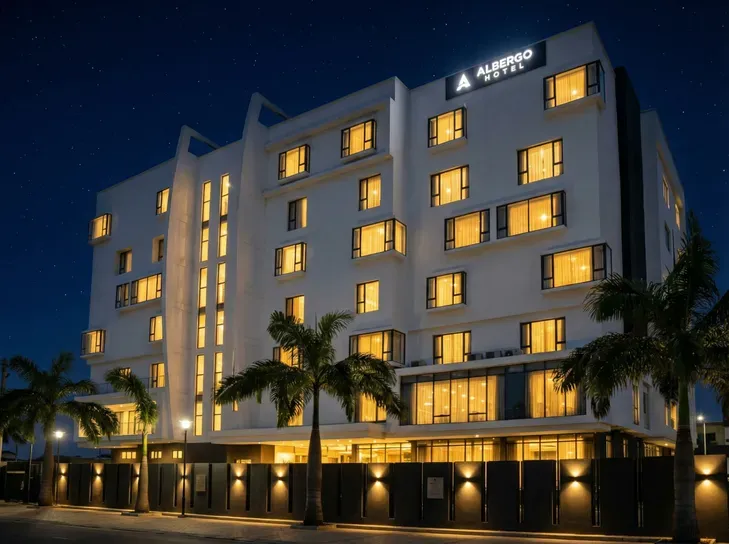
Albergo Hotel
They built a hotel. The art made it sell itself.
About the Project
In 2023, Lekki Phase 1 had no well-designed boutique hotel. That was the gap.
Albergo's owners saw it clearly: the shortlet market was cooling, and guests were migrating toward structured, professionally managed environments that offered something shortlets couldn't — atmosphere, consistency, and a sense of occasion. They were determined not just to fill that gap, but to own it entirely through design.
They didn't call us in after the hotel was built. They called us in at the design stage — before the walls went up.
The only creative anchor they gave us was the name: Albergo — Italian for "hotel." They showed us the interior direction. Then they trusted us to connect the dots.
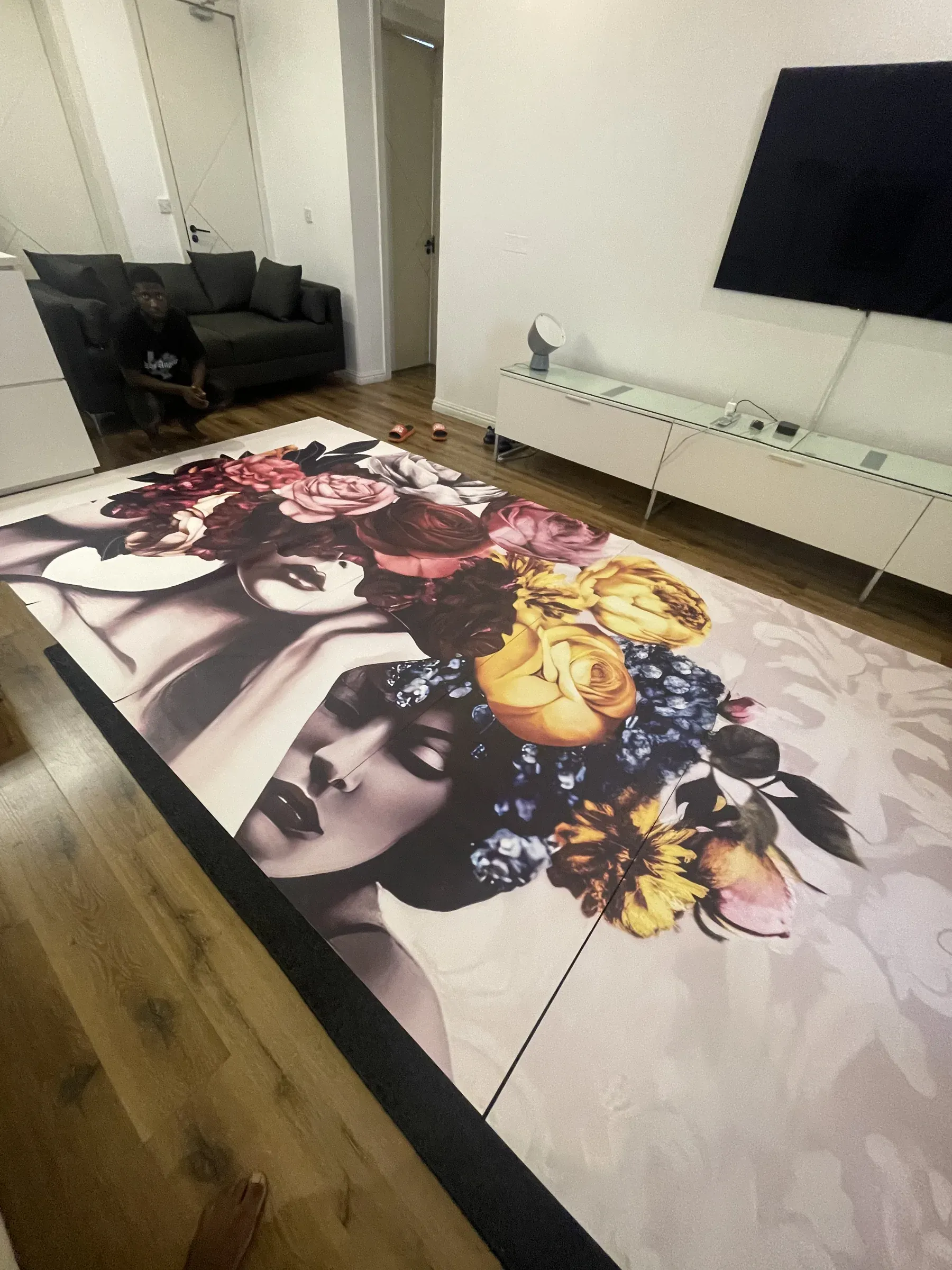
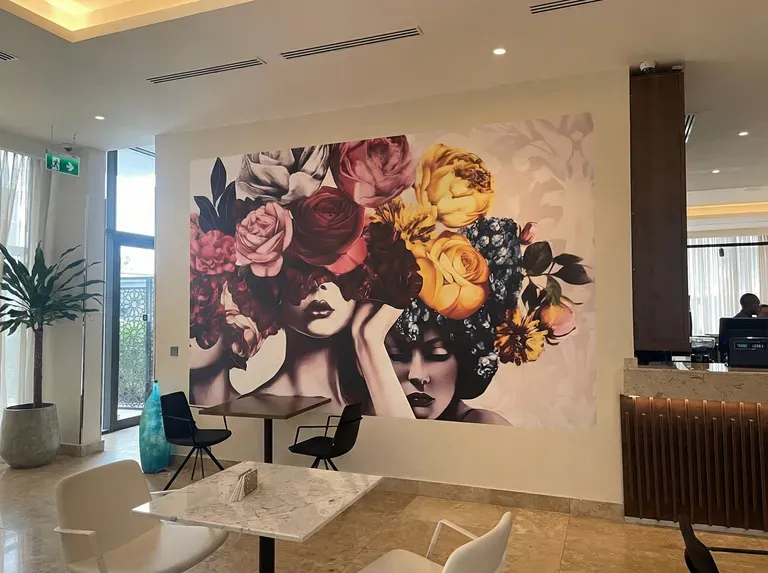
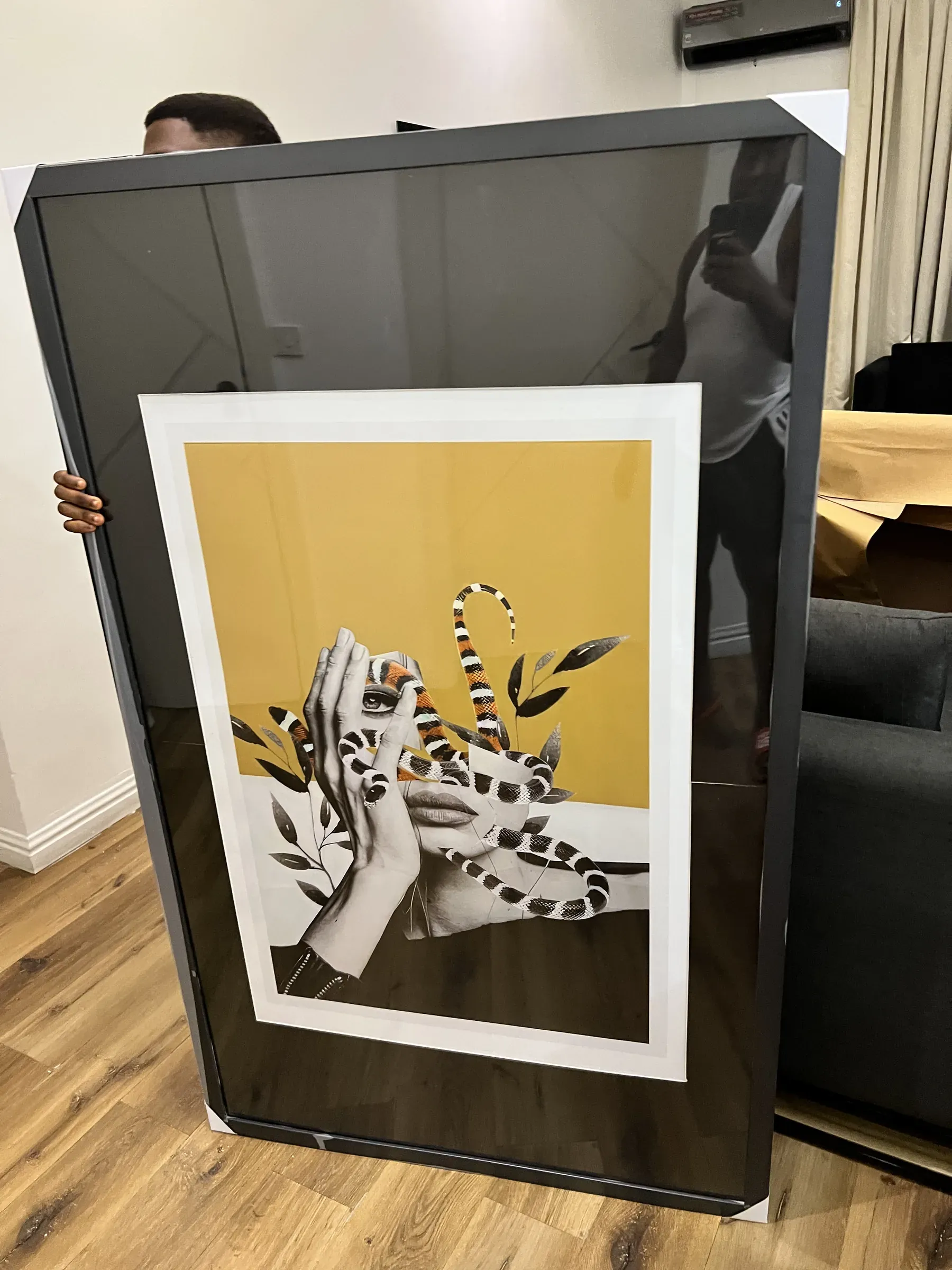
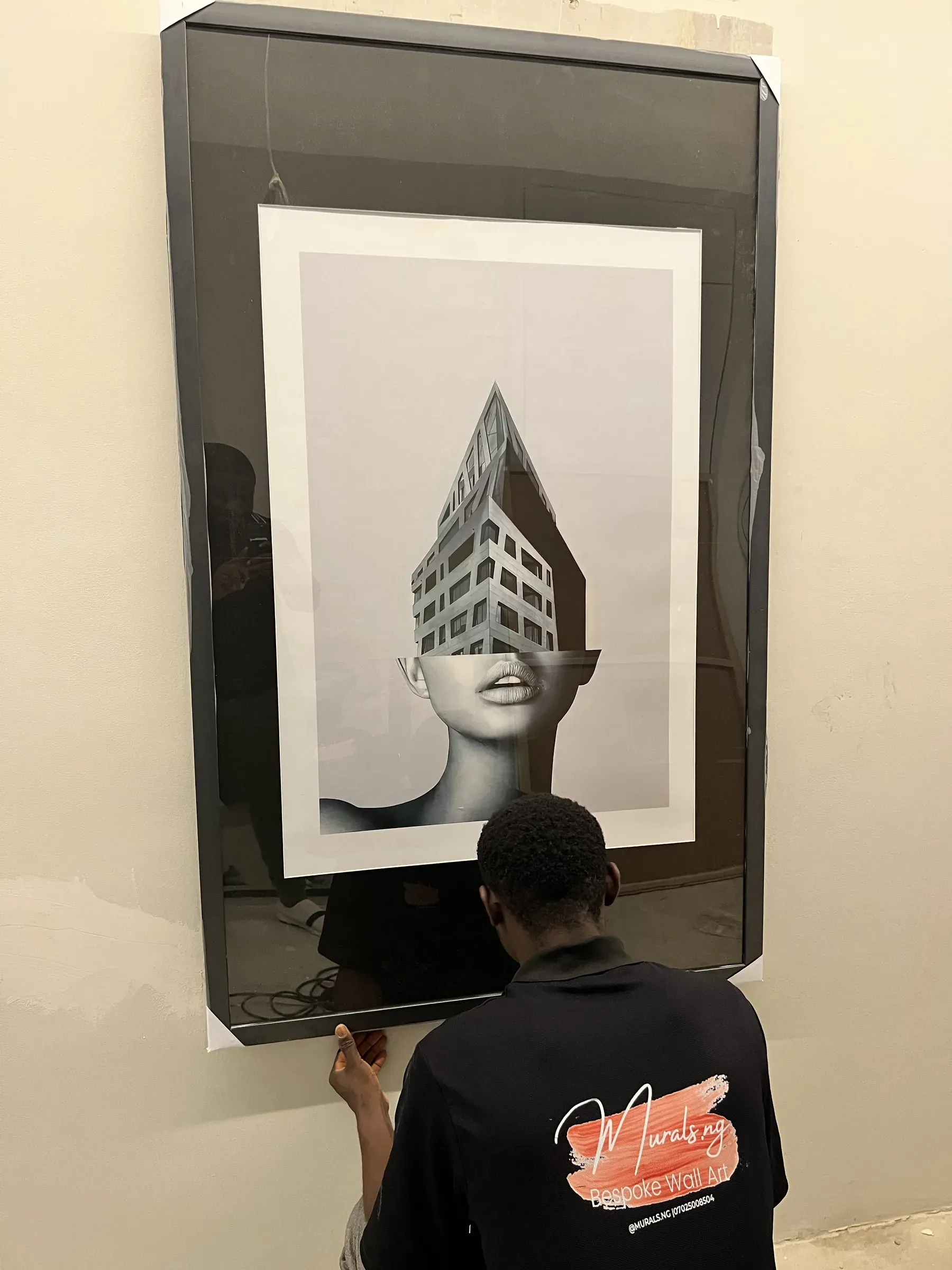
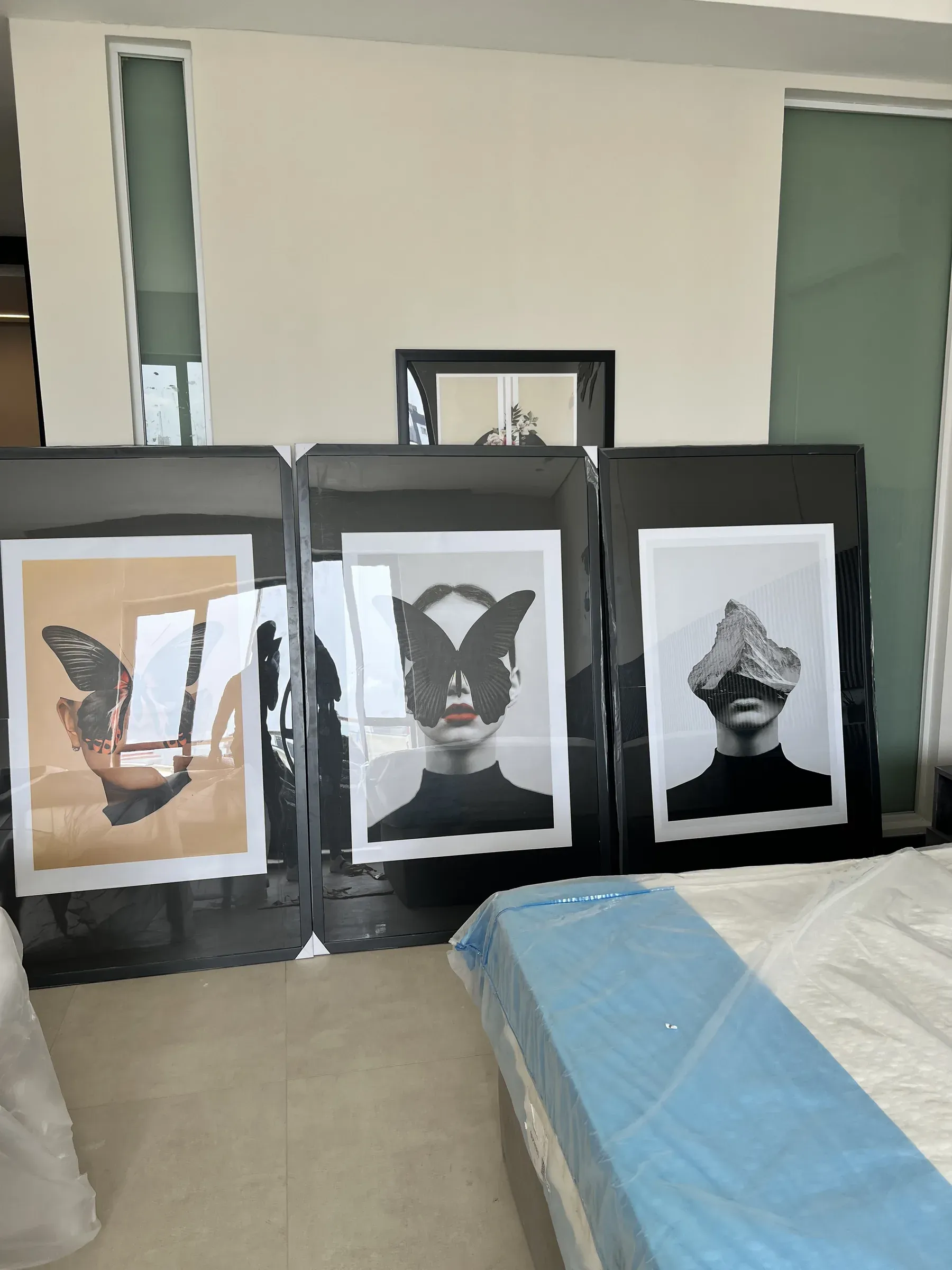
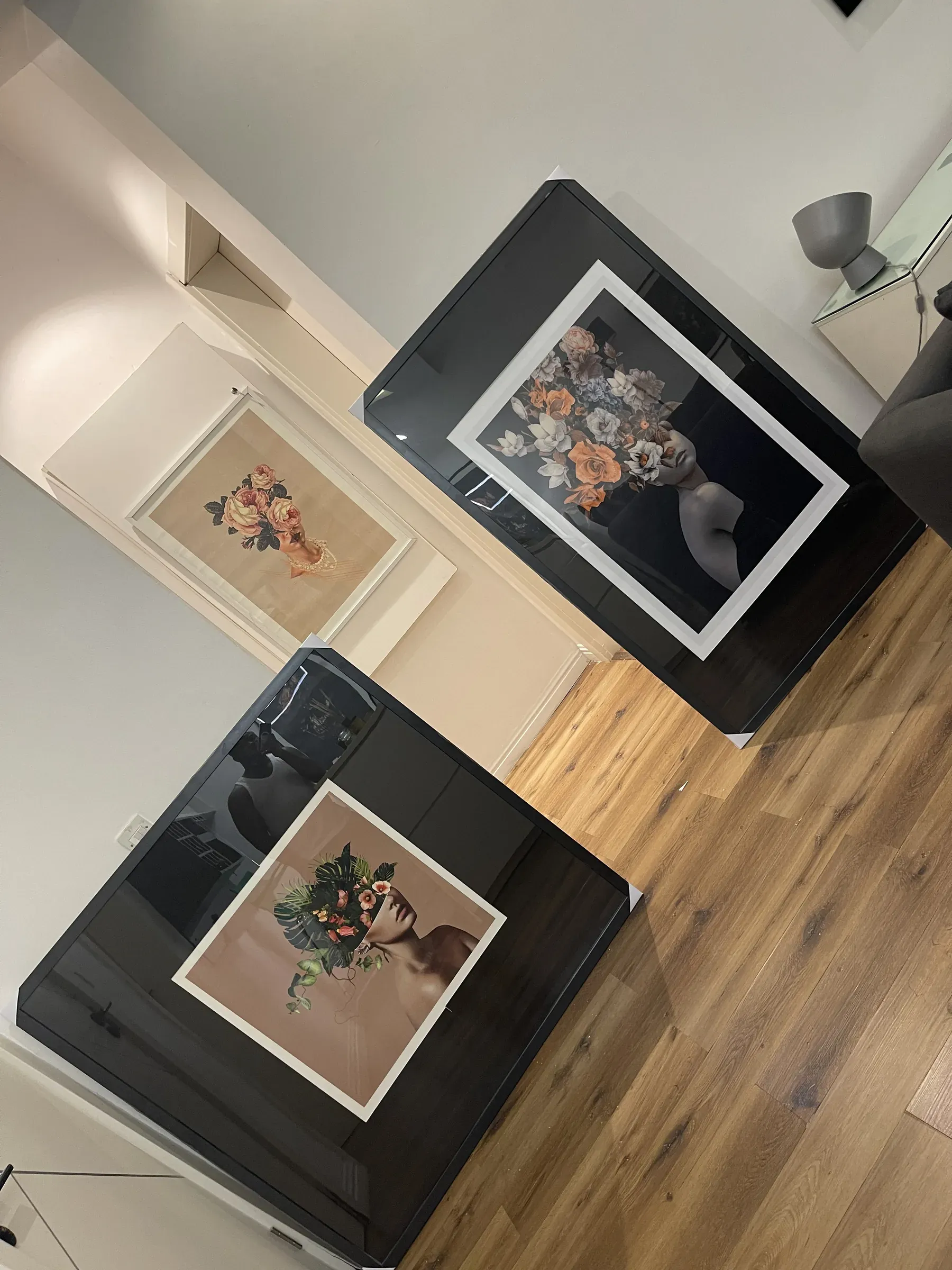
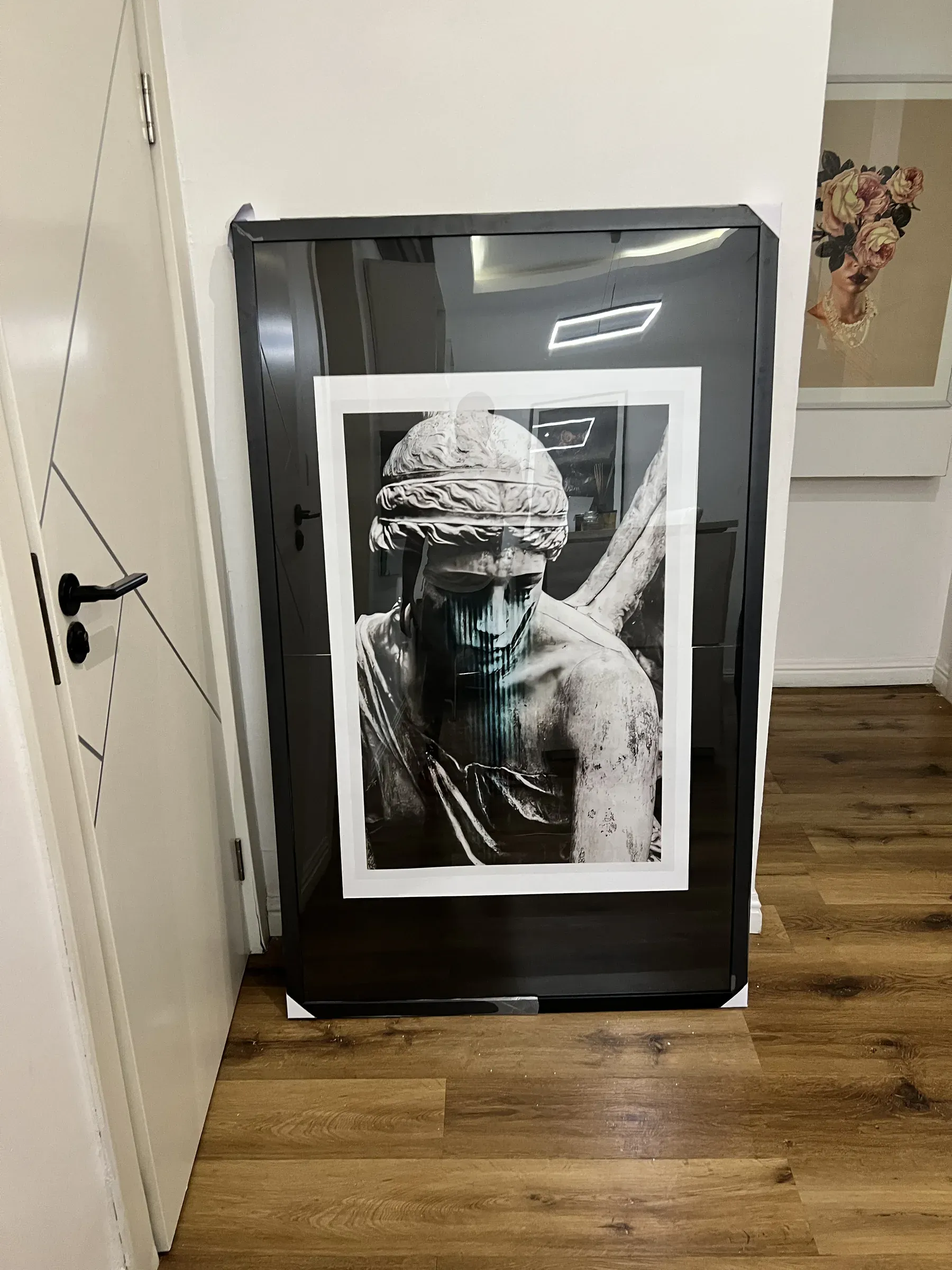
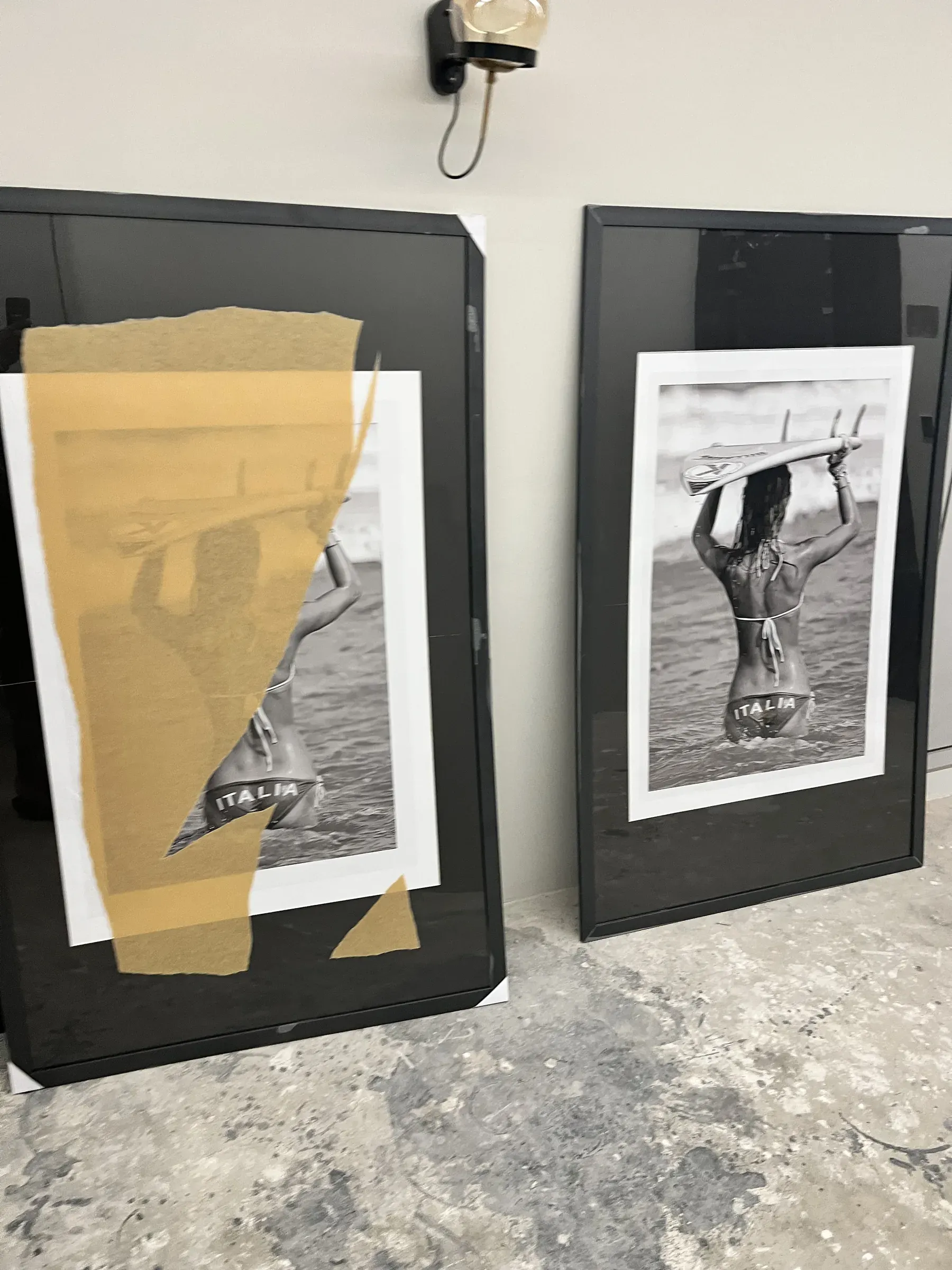
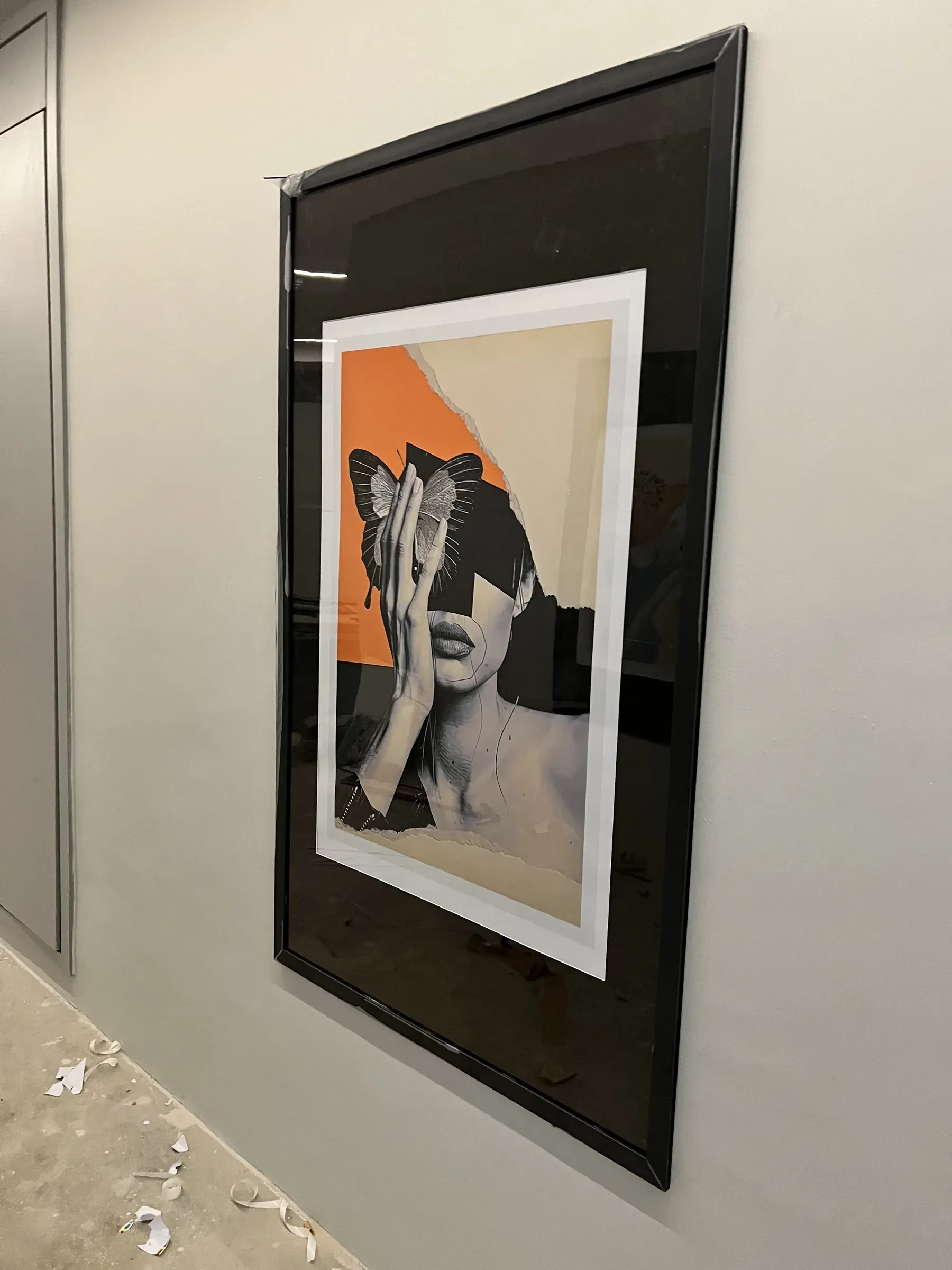
We delivered a full art programme across the entire property: 5 signature murals for the staircases, restaurant, and bar — each conceived as a large-scale statement built to stop people, make them look twice, and make them photograph the wall before they even sit down. And approximately 100 custom framed pieces for the corridors, guest rooms, and visitor toilets, each calibrated to the specific spatial scale and footfall of its location.
The creative direction: take the Italian aesthetic embedded in the name Albergo — its elegance, its restraint, its relationship with beauty as a serious enterprise — and reinterpret it through an African lens. Not imitation. Interpretation.
The hotel launched in May 2023. Within days, it was viral. Guests began photographing themselves in front of the art — in the restaurant, along the corridors, at the bar. The images circulated on social media without any paid promotion. The rooms sold out.
More than two years later, that is still the default state.
Services
- Art Direction
- Mural Design & Installation
- Custom Framing
- Spatial Storytelling
Year
2023